IUD
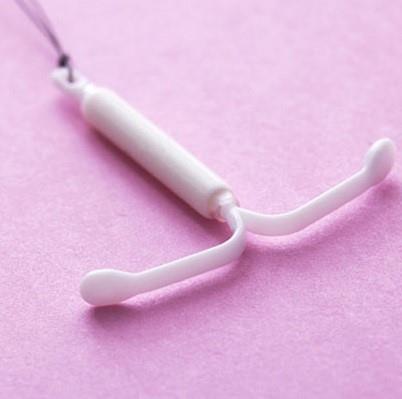
Intra-Uterine Device (IUD)
The IUD is a small plastic object that is inserted into the uterus. How the IUD works as a method of birth control is not completely understood. It is believed that the foreign object in the uterus creates an adverse place for sperm to live or pregnancies to implant, because it causes changes in the uterus, fallopian tubes, and in the cervix.
IUD’s are small plastic devices that are placed into the uterus through the cervix by a clinician. IUD’s do not protect a woman from STI's or HIV. There are two types IUD’s currently on the market, Mirena and Paragard.
Hormonal IUD
The Mirena IUD, has a small amount of the steroid, synthetic progesterone. The hormones may help reduce bleeding and cramping that many women experience with an IUD in place, and the synthetic hormone changes the uterus so that it is less hospitable to sperm. The Mirena IUD can be used up to 5 years. The Mirena is approximately 99.9% effective.
The Skyla and Liletta IUDs are similar to Mirena, but last for up to 3 years and have less of the steroidal progesterone hormone
Non-Hormonal IUD
The Paragard IUD has copper wrapped around it and can be used for 10 years. IUD’s are approximately 92-99% effective in preventing pregnancy and do not protect against STI’s.
When you have your IUD inserted, you should check the string, which is at the cervical opening, so that you can make sure that it have not moved. If you come to Women’s Health Specialists, we can give you a plastic speculum so that you can check your cervix for the presence of the string.
Side Effects
-
The potential for infection (Pelvic Inflammatory Disease or PID). While manufacturers downplay the rate of PID, everyone admits that IUD users have a higher rate of PID than the general population.
- Increased pain and bleeding while on your period
-
Increased risk of having a tubal (ectopic) pregnancy (3-4% for IUD users, less than 1% for general population.
- Increased vaginal discharge due to irritation
Women's health activist fear that many IUD users may have undiagnosed infertility problems because of a low-grade infection that never advances to full-blown PID. The body produces more white blood cells as a result of having the IUD in place. The body's normal reaction to a low-grade inflammation is to produce scar tissue to protect the area from infection. This process can go on undetected by the woman. She may never feel pain or become ill, yet damage to the uterus, tubes or ovaries is being done.
It is impossible to predict how your body will react to the IUD or how the IUD will affect your reproductive health. While manufacturers claim that IUD users have a low risk of future infertility, we believe that women who want children in the future should seriously reconsider using the IUD.
If you choose an IUD, call WHS appointment line to obtain more information or make an appointment.
FOR MORE INFORMATION:
Not Your Mother’s IUD: Benefits and Risks of Modern IUDs
National Women's Health Activist Newsletter
January/February 2011
By Ginny Cassidy-Brinn