Emergency Contraception
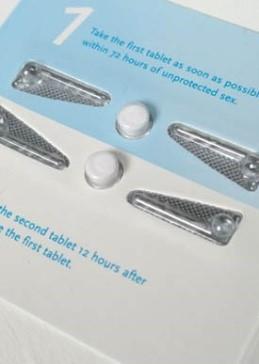
Emergency Contraceptives
ECP's (Emergency Contraceptive Pills), often referred to as "the morning after pill", provide a short, strong burst of hormone exposure, which disrupts hormone patterns that are essential for pregnancy. Hormone release from the ovary is reduced and development of the uterine lining is disturbed. These disruptions are temporary, lasting only a few days.
Treatment with Emergency Contraceptive Pills (ECPs) consists of taking hormone pills, taken as soon as possible after intercourse. Plan B One-Step contains progestin only (similar to the hormone-like drugs found in birth control pills). ECPs can be taken up to five (5) days after intercourse; however, they are more effective taken with 72 hours. Plan B One Step is available over-the-counter, without a prescription, at pharmacies. In California, there is no age limit on women purchasing Plan B One Step. (In many states there is an age limit of 17.)
In August of 2010, the FDA (Food and Drug Administration) approved a 5-Day Emergency Contraceptive, called ELLA (ulipristal acetate). This new contraceptive back-up pill prevents pregnancies if taken as many as five days after unprotected intercourse or contraceptive failure. In contrast to Plan B, ELLA is just as effective when taken 1 day after intercourse or the 5th day after. Ella is available by prescription, and not over-the-counter.
Risks
Women should not use ECP's if they have had one of the following:
- Heart attack or stroke
- Blood clotting disorder
- History of breast cancer
- Current known pregnancy
On the Web: A good on-line resource for ECPs is: Back Up Your Birth Control.
Are Emergency Contraceptives Effective?
Manufacturers claim that Plan B reduces the chances of pregnancy by 89%. These claims may or may not be accurate because we don't know if women taking ECPs would have not become pregnant anyway. Not every incident of unprotected intercourse ends up in pregnancy. Women are only fertile for a short period of time each month. An independent study conducted in 1972-1974 refutes the claim that ECPs are effective in preventing pregnancy. This study showed that women, who had been raped, had the same pregnancy rate whether they took ECPs or not.